


August 19, 1945, Manchuria, The Last Kamikaze: The Special Attack Pilot Who Flew with His Wife④
Former military officers who survived the war scornfully dismissed it as "simply an act of suicide, not a kamikaze attack ordered by orders," and condemned the carrying of a woman as a "violation of military discipline." They were treated almost like war criminals and were not even allowed to be included among the war dead. Therefore, their families, concerned about appearances, did not even hold funerals.
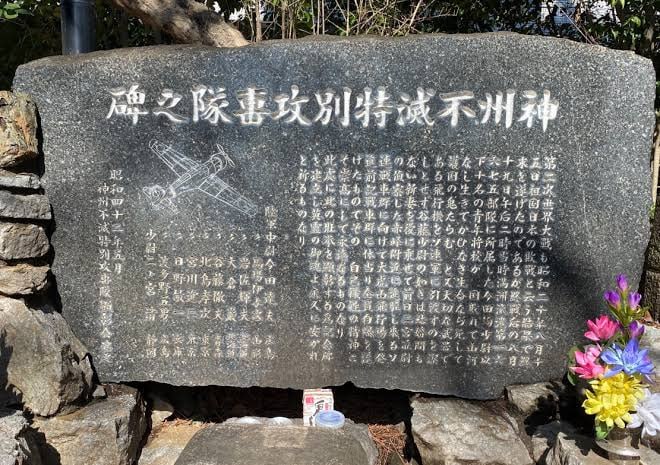
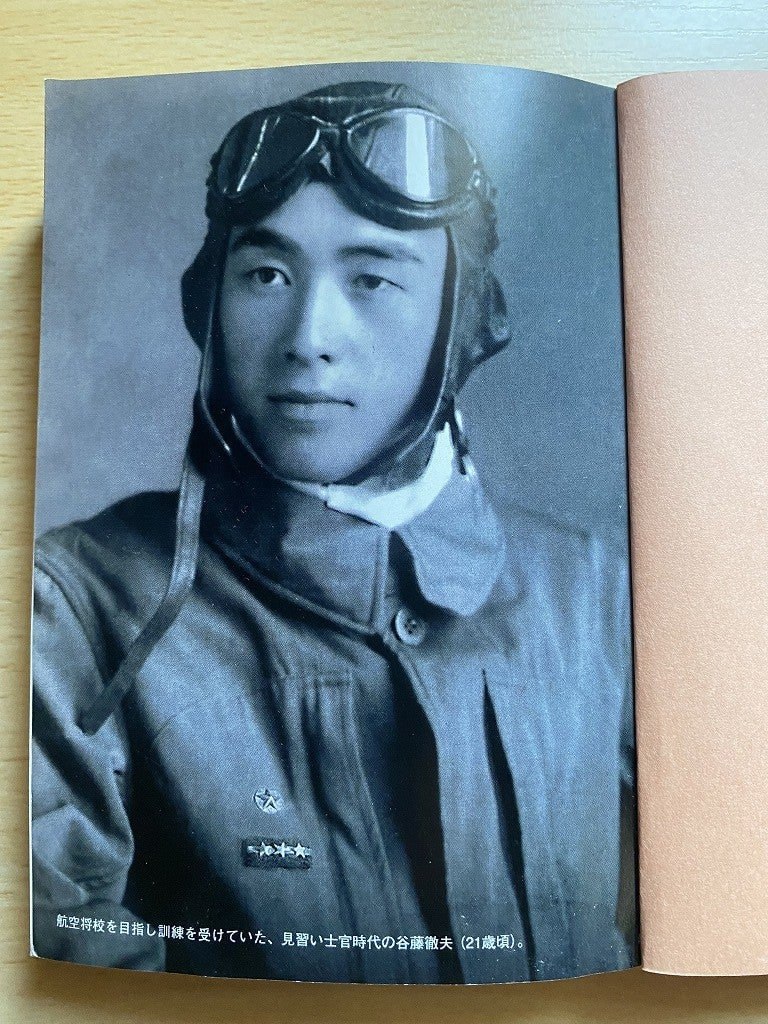
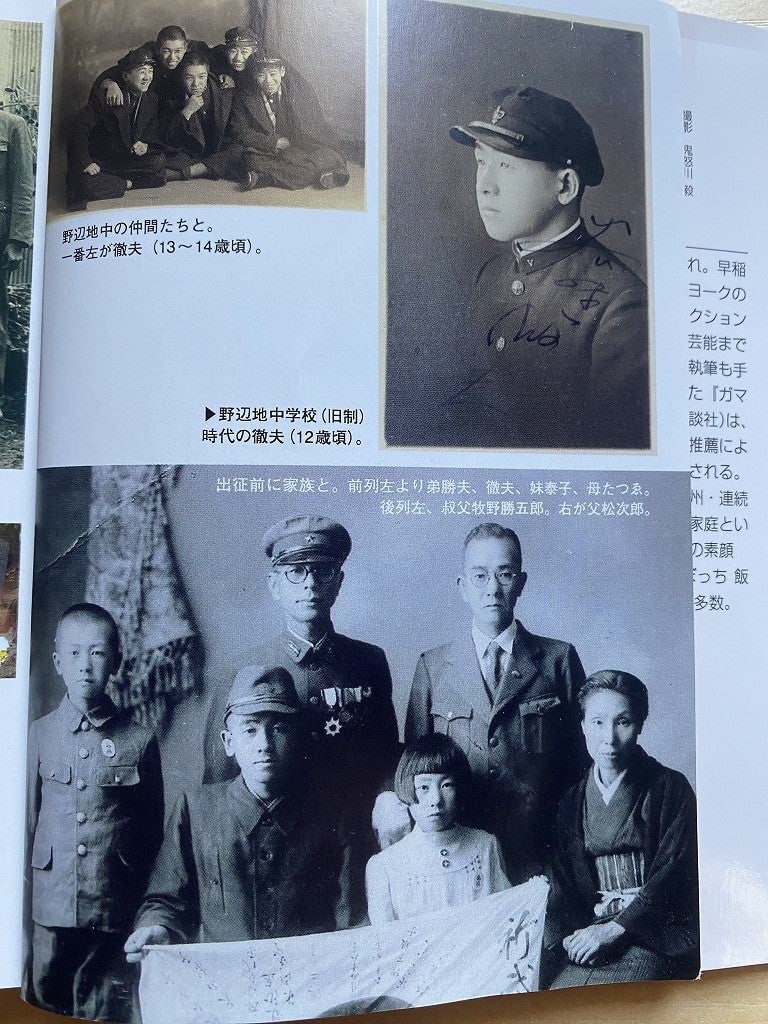
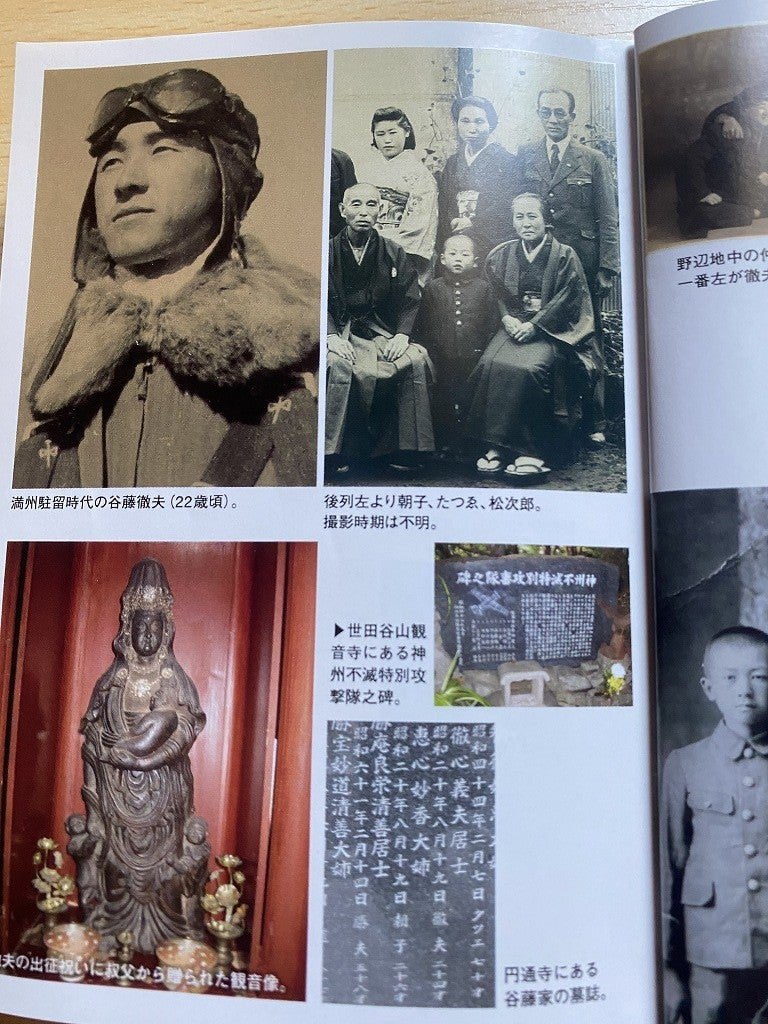
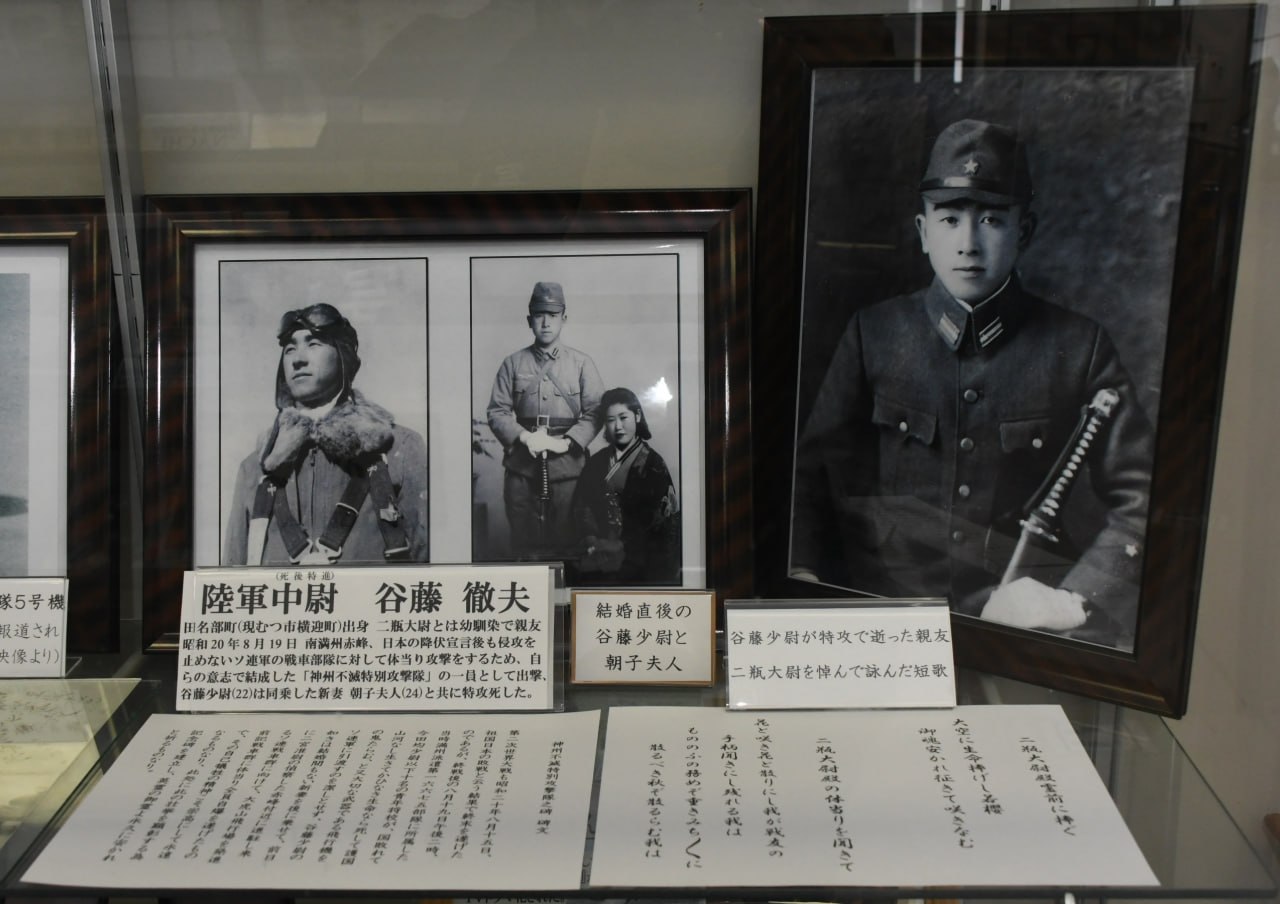
However, thanks to the efforts of comrades who had served in the same unit in Manchuria, a memorial monument to the Shinshu Fumetsu Kamikaze Unit was erected at Setagaya Kannon in Tokyo in 1967, 22 years after the end of the war. Later, the Ministry of Health and Welfare (at the time) recognized them as war dead, and 11 kamikaze pilots, including Tetsuo Tanifuji, were enshrined at Yasukuni Shrine.
Former military officers who survived the war scornfully dismissed it as "simply an act of suicide, not a kamikaze attack ordered by orders," and condemned the carrying of a woman as a "violation of military discipline." They were treated almost like war criminals and were not even allowed to be included among the war dead. Therefore, their families, concerned about appearances, did not even hold funerals.
However, thanks to the efforts of comrades who had served in the same unit in Manchuria, a memorial monument to the Shinshu Fumetsu Kamikaze Unit was erected at Setagaya Kannon in Tokyo in 1967, 22 years after the end of the war. Later, the Ministry of Health and Welfare (at the time) recognized them as war dead, and 11 kamikaze pilots, including Tetsuo Tanifuji, were enshrined at Yasukuni Shrine.