



Posts filter


August 19, 1945, Manchuria, The Last Kamikaze: The Special Attack Pilot Who Flew with His Wife④
Former military officers who survived the war scornfully dismissed it as "simply an act of suicide, not a kamikaze attack ordered by orders," and condemned the carrying of a woman as a "violation of military discipline." They were treated almost like war criminals and were not even allowed to be included among the war dead. Therefore, their families, concerned about appearances, did not even hold funerals.

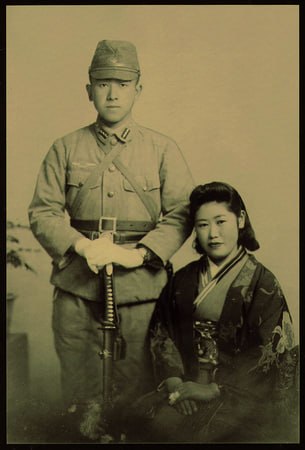
However, thanks to the efforts of comrades who had served in the same unit in Manchuria, a memorial monument to the Shinshu Fumetsu Kamikaze Unit was erected at Setagaya Kannon in Tokyo in 1967, 22 years after the end of the war. Later, the Ministry of Health and Welfare (at the time) recognized them as war dead, and 11 kamikaze pilots, including Tetsuo Tanifuji, were enshrined at Yasukuni Shrine.


August 19, 1945, Manchuria, The Last Kamikaze: The Special Attack Pilot Who Flew with His Wife③
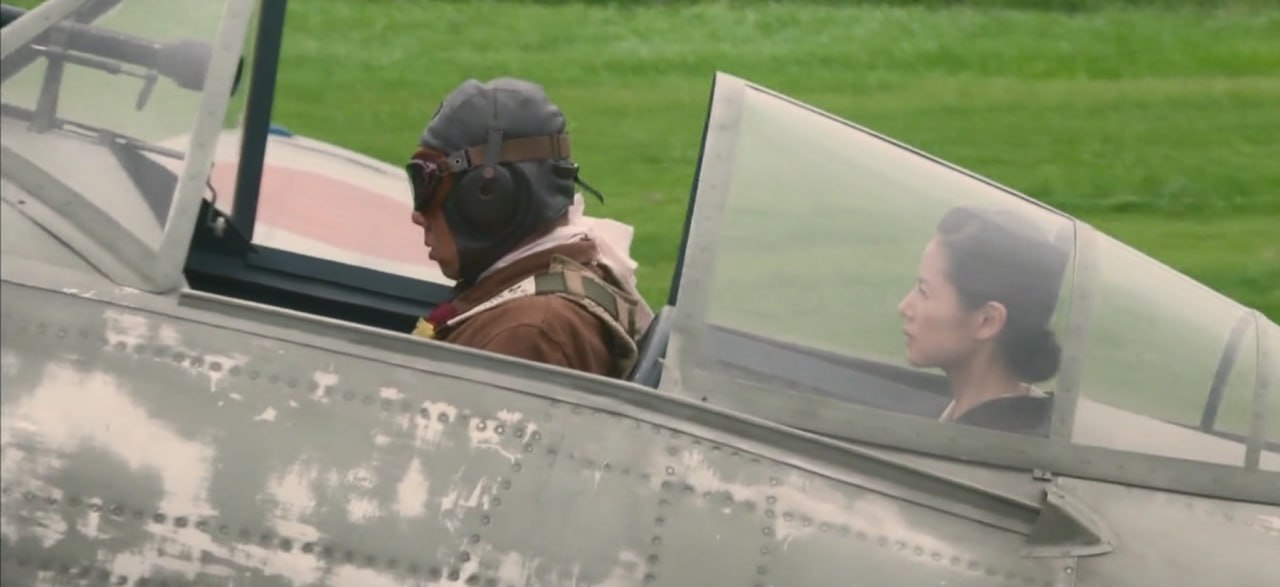
The day before, Asako, having been told of her husband's decision to carry out the Special Attack, pleaded, "Please take me with you." Rather than endure humiliation at the hands of Soviet soldiers and suffer a lifelong scar, even if she survived, she would rather charge into the enemy lines with her beloved husband and die. Tetsuo accepted his new wife's heartfelt wish.

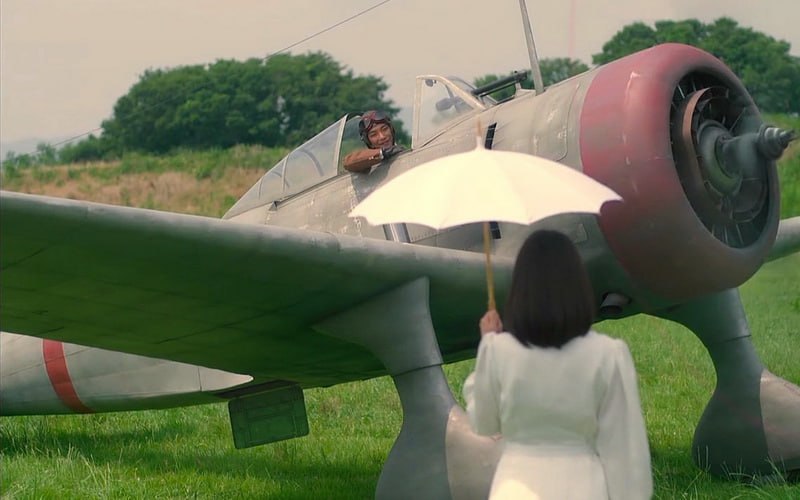
And so, Asako perished along with the eleven Special Attack. According to eyewitness accounts at the Daohushan Airfield, Asako boarded the kamikaze plane wearing a white dress.


August 19, 1945, Manchuria, The Last Kamikaze: The Special Attack Pilot Who Flew with His Wife②
At that time, there were men who defied the Kwantung Army's surrender order and decided to fight the Soviet army. These were Tetsuo Tanifuji and eleven other pilots stationed at Dahushan Airfield in southern Manchuria. They held secret meetings at the inn to plan a Special Attack against Soviet tank units, naming themselves the "Immortal Divine Land Special Attack Unit." Even if it was merely a sting from a ferocious tiger, it would be the first time the Soviet army had faced a suicide attack. Psychologically unsettled by the Soviets' fear that "angering Japanese soldiers would lead to a series of Special Attack" a temporary halt in the Soviet advance would buy some time for Japanese residents to escape. For this reason, Tetsuo and his men decided to sacrifice their own lives.


August 19, 1945, Manchuria, The Last Kamikaze: The Special Attack Pilot Who Flew with His Wife①

...The eleven kamikaze planes began to take off one by one. At that moment, Lieutenant Ichiro Horie, a second-generation kamikaze pilot, pointed to one of the planes and shouted.

"There's a woman in that plane!"
In Manchuria immediately after the end of the war, the Soviet army, which had unilaterally violated the Soviet-Japanese Neutrality Pact and invaded, was carrying out a massacre of Japanese residents. However, the Japanese Army's "Kwantung Army" stationed in Manchuria followed the surrender order, abandoning their comrades and giving up fighting the Soviet army.


Student Youth Genuine Alliance poster:

Let's reclaim Karafuto and the Kuril Islands!


Forward from: アジアの曙
After the war, the 11th Tank Unit of the 11th Brigade of the Japan Ground Self-Defense Force, stationed in Hokkaido, commemorated the heroic fighting and achievements of the 11th Army Tank Regiment (commonly known as the "Shikon Unit") in the Battle of Shumushu and inherited that spirit. The unit also bears the name "Shikon Tank Battalion" (Shikon), which is still used today, with the characters "Shikon" painted on the sides of the turrets of its Type 61, Type 74 and Type 90 tanks as its unit emblem.


Forward from: アジアの曙
As a result of the battle, the 11th Tank Regiment lost 96 men, including Colonel Ikeda, and 27 tanks, but with support from infantry units and anti-aircraft guns, they succeeded in pushing the Soviet forces back toward Takedahama. Thanks to the efforts of Japanese heavy artillery units and eight Army and Navy aircraft (including a Navy plane that sank a Soviet minesweeper in a suicide attack), the Japanese gained the upper hand and were able to drive the Soviet forces into the sea and destroy them, but a ceasefire was called on the 21st.
Ikeda was hit and burned along with his tank and died in action (posthumously promoted to major general).
The heroic efforts of the Shumushu Island garrison dealt a devastating blow to the Soviet forces, The Soviet army abandons its invasion of Hokkaido.
The Japanese army suffered around 600 casualties, while the Soviet army suffered 3,000 casualties.


Forward from: アジアの曙
As Ikeda waved the Japanese flag, the elite tanks of the "Samurai Spirit Unit," nicknamed the "Samurai Spirit Unit" because the number eleven can be read as "samurai," roared and charged into the invading enemy hordes.
Counterattack with tanks from the disarming regiment, with Mt. Shirei becoming the fiercest battlefield.
The battlefield was apparently shrouded in thick fog at the time, and Soviet soldiers jumped onto tanks with grenades in hand, while Japanese tank crews returned fire with pistols, resulting in close-quarters melee.


Forward from: アジアの曙
"We have been working tirelessly to end the war, with the day we can return home in our hearts. However, we have now reached this point. We have no choice but to wield our swords to subdue the demons. So I dare ask you all a question: Will you choose to become Ako Roshi and avenge your enemy in the future, even if it means enduring shame? Or will you join the Byakkotai and become a bulwark for our nation with your lives? Those who choose to become Ako Roshi, step forward. Those who wish to become the Byakkotai, raise your hands."
"Yes."
Ikeda delivered his address with a solemn expression, and everyone raised their hands vigorously.
"Thank you, everyone." Regimental Commander Ikeda's eyes clouded with tears of gratitude.
"The regiment will now mobilize its entire force to annihilate the enemy. Continue, advance!"


10 last posts shown.